Wind and solar power sound appealing but come with significant hidden costs. Picture a family with three cars: Mom and Dad both drive to work, while the kids need rides to school and practice. The vehicles cost money for gas, repairs, and insurance, yet they start reliably when you turn the key—that is their fundamental purpose.
Then comes a salesman offering an amazing deal: solar-powered and wind-powered cars that require no gas and offer free fuel. Who wouldn’t want that? The family buys both, assuming they’ll save money and eventually sell two of their old cars.
But reality sets in. The solar car runs only when the sun shines. The wind car operates when breezes blow. Dad still leaves at 7:30 on dark winter mornings. Mom still picks up a child at five o’clock during dead-calm air. Families move where they need to go, not when weather cooperates.
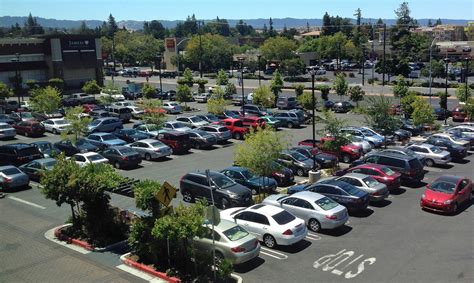
The family ends up keeping all three reliable vehicles and now owns five. With no driveway space for five cars, they pour concrete and build a bigger garage. Suggestions for large batteries to store power during sunless or windless days prove costly.
The salesman heavily promoted free fuel but omitted the two extra cars, the expanded garage, battery expenses, and the necessity of maintaining existing vehicles.
Welcome to America’s electricity policy.
Wind turbines and solar panels generate electricity without purchasing fuel—a key selling point. Yet electricity must be available the moment you flip the switch. Factories cannot idle until winds pick up. Hospitals can’t delay patient care for favorable weather. Families expect their furnaces, refrigerators, and lights to operate reliably every day.
Because wind and solar depend on weather conditions, adding them does not allow retirement of dependable power plants. Natural gas, nuclear, coal, and hydroelectric facilities must remain on standby when renewables produce little or nothing. This dual system costs consumers while delivering only a single grid’s worth of reliable power.
Further challenges include transmission infrastructure: wind and solar farms are often distant from populated areas, requiring new lines, substations, and grid upgrades. The Energy Department’s draft study indicates one of the largest such buildouts in history. Batteries help temporarily but typically last only four hours—far too short for reliable daily use.
While wind and solar are not worthless, they demand a comprehensive cost analysis. The real question is not how cheap electricity becomes during generation. It is what it costs to ensure power remains available whenever needed. That total includes generation, transmission, grid improvements, storage, backup capacity, and consistent output on cloudy days. It also encompasses the origin of hardware: most solar panels are manufactured in China, which is expanding coal plants to sustain these factories.
If wind and solar remain the most cost-effective option after all expenses are accounted for, they should win based on merit. Otherwise, nuclear, natural gas, coal, hydro, or other solutions that deliver greater value must take precedence.
Regular people do not need politicians selecting their power plants. They require honest pricing, genuine competition, and electricity that works when the switch is flipped.
Free fuel sounds tempting—but before purchasing additional vehicles, concrete, and a larger garage to reach the same destinations, someone should ask: Are we truly saving money or merely increasing costs?