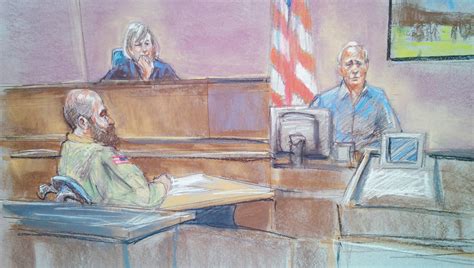
The debate over Fort Hood mass murderer Nidal Hasan’s execution exposes a deeper problem: A culture suspicious of punishment may no longer believe anyone truly deserves it.
In Shirley Jackson’s 1948 story “The Lottery,” a town selects one resident by chance and stones the victim to death. The killing is arbitrary by design, a ritual nobody can justify beyond the fact that it has always been done.
Much of the modern Western imagination now approaches capital punishment through a similar lens: not as justice, but as officially sanctioned cruelty. That suspicion fits an older philosophical claim associated with Thrasymachus in Plato’s “Republic”: Justice is “the advantage of the stronger.” Rulers make the rules, call them just, and use them to serve their own interests.
A culture that recognizes only victims, never sinners, will mistake punishment for cruelty and forgiveness for an unnecessary apology.
I have been surveying arguments for and against publicly broadcasting the execution of Nidal Malik Hasan, the former Army psychiatrist who murdered 13 people and wounded 32 others at Fort Hood in 2009. The Army has scheduled his execution by firing squad for Dec. 3. The Pentagon announced plans to livestream it, although President Trump has said he will decide whether the broadcast goes forward.
Thoughtful conservatives disagree about livestreaming an execution. To understand the objections, I asked people on X to list the arguments they had heard. What stood out was how often the discussion framed morality in terms of consequences rather than the goodness of justice itself.