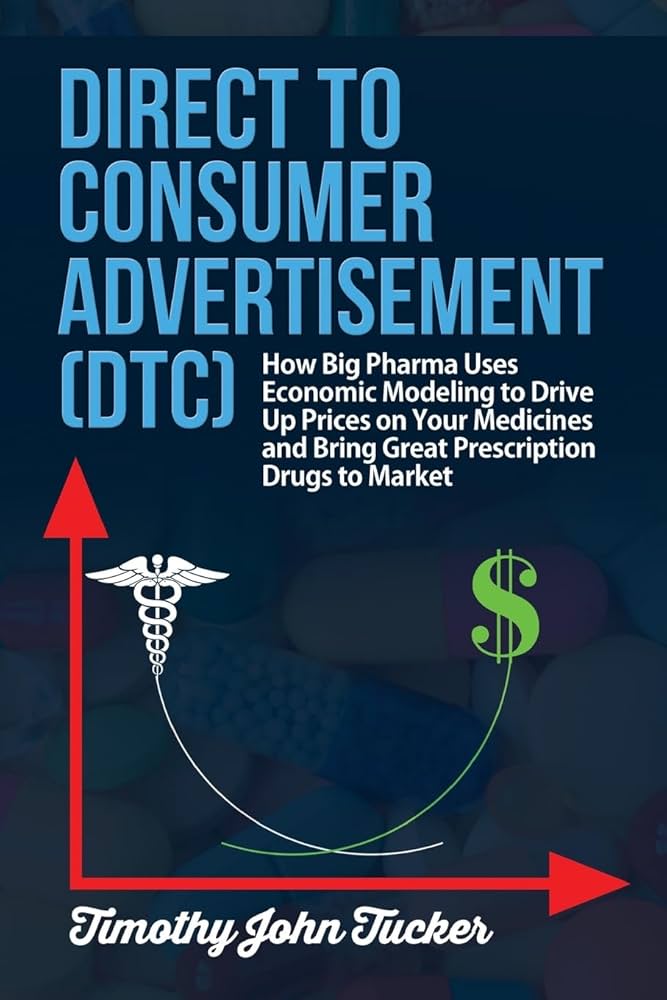
The debate surrounding direct-to-consumer advertising (DTC) of prescription drugs continues to intensify, with some advocating for its restriction. While concerns about healthcare costs and patient misinformation exist, a recent opinion piece argues that banning such advertisements could backfire on the health innovation landscape.
According to Louis Rouanet, an economics expert who is currently serving as editor of Public Choice and an assistant professor at the University of Texas at El Paso’s Department of Economics and Finance, DTC advertising plays a crucial role in driving competition and information flow. He posits that these ads fuel demand for new treatments and keep patients informed.
Critics argue that excessive pharmaceutical advertising drives up costs by creating unnecessary demand even when cheaper alternatives exist. However, Rouanet contends that evidence suggests otherwise. A study mentioned in the piece indicates that exposure to drug ads actually increases overall prescription drug usage, including generic options not directly promoted.
The author maintains that DTC advertising informs patients about new, potentially affordable treatment options and stimulates competition among manufacturers. This increased awareness prevents stagnation where older, more expensive drugs might otherwise dominate without competitive pressure from newer alternatives.
Rouanet draws on the UK’s experience as a cautionary example, noting how overregulation and rigid pricing have driven pharmaceutical innovation away from British soil. New drug availability lags significantly behind in heavily regulated markets like Europe or Canada compared to the U.S., despite higher spending there.
The author also references concerns about price controls through legislation like the Inflation Reduction Act potentially stifling future medical breakthroughs, citing potential consequences such as reduced research and development for certain treatments.