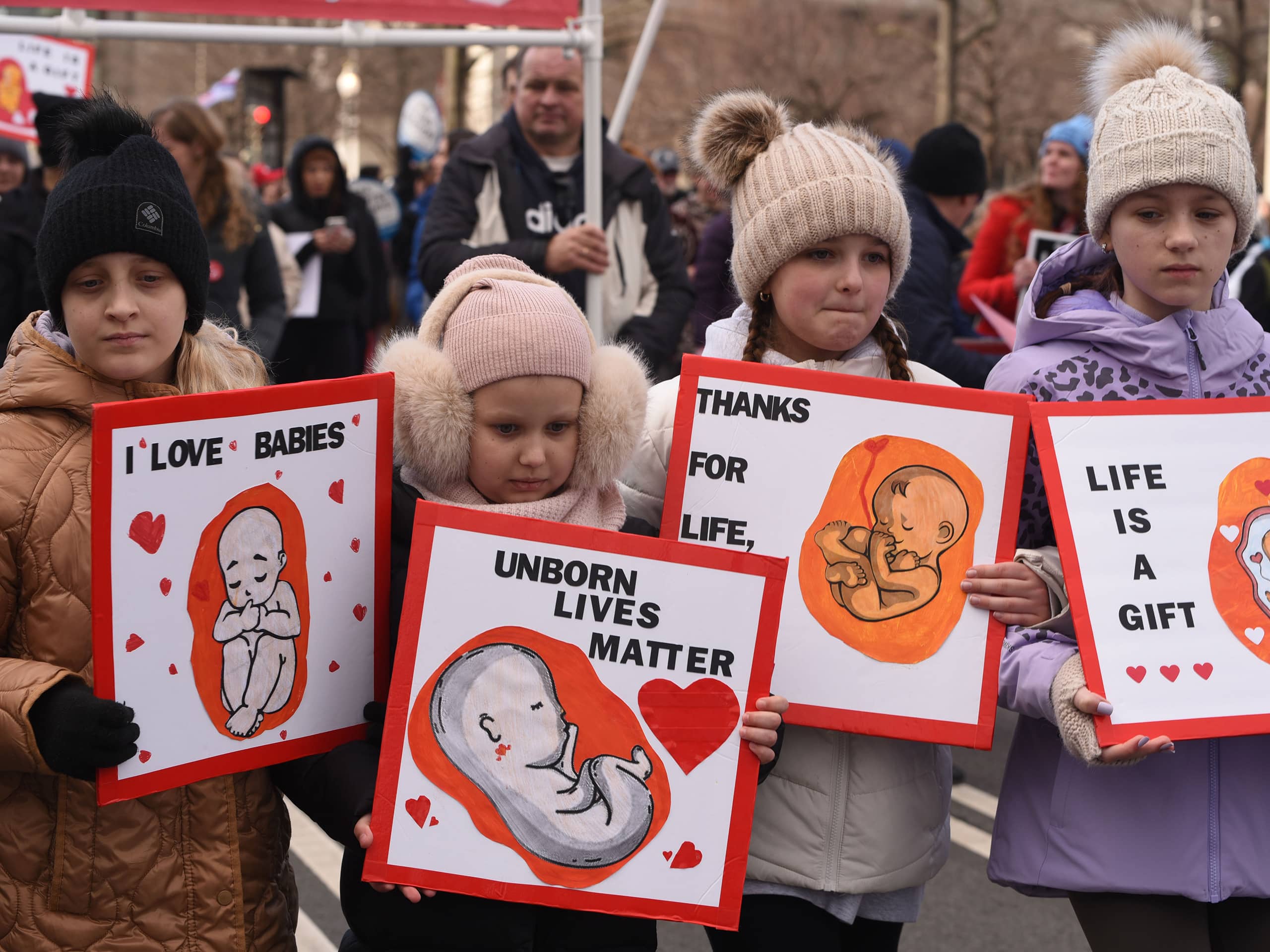
In order to provide a real alternative to abortion, the pro-life movement must have answers for mothers in need.
On August 10, Massachusetts Gov. Maura Healey (D) signed Chapter 188, “An Act Prioritizing Patient Access to Care,” changing state law governing abortion after 24 weeks of pregnancy. The new law removes the previous list of specific circumstances and allows a physician to perform an abortion based on the physician’s professional judgment.
I understand that heartbreaking medical situations exist, and those families deserve compassion, dignity, and excellent care. But the law also raises a larger question that America cannot keep avoiding: While government works to expand access to abortion, are we working just as hard to expand a woman’s ability to choose motherhood?
Saying “choose life” is only the beginning. We must be prepared to answer the next questions.
I founded Auntie Angie’s House because I have met women who did not need another political argument. They needed help: safe places to live, food, transportation, prenatal support, or assistance getting back on their feet. Others simply needed someone to stand beside them long enough to believe that an unexpected or difficult pregnancy did not mean their future was over.
Today, Auntie Angie’s House counts 101 babies whose mothers chose to continue their pregnancies with our support.
That number means more than any slogan ever could.
One hundred and one babies represent 101 individual lives, 101 stories, and 101 reminders that what looks impossible in a moment of fear can look very different when a mother is surrounded by real support.
This is why I believe the abortion debate is incomplete.
We hear constantly about protecting “choice.” But let us be serious about creating choices. A woman should have the choice to keep her baby without becoming homeless. She should have the choice to continue school or work. She should have access to prenatal care, transportation, childcare, food, safe housing, and postpartum support.
She should not feel that abortion is the only answer because she is poor, alone, frightened, or unsupported.
If we truly trust women, then we must trust them enough to invest in every option available to them, including motherhood.
That is the model I have built at Auntie Angie’s House. We do not serve women by shaming; we meet practical needs so that fear does not have to make the decision.
Our work was recognized by Fulton County with a proclamation declaring May 1 “Auntie Angie’s Day.” I am grateful, but the real accomplishment is the mother who arrived afraid and later held her baby with hope. It is the woman who realized she was not alone.
Government should learn from these stories.
Imagine if every state that devoted political energy to expanding abortion access also brought the same urgency to maternal housing. Imagine if pregnant women in crisis could immediately access temporary housing, prenatal care, job assistance, and postpartum services.
Imagine if no woman felt pressured toward abortion because she could not see a financially survivable path to motherhood.
I am pro-life, but I believe the pro-life movement has a responsibility beyond opposing abortion. Saying “choose life” is only the beginning. We must be prepared to answer the next questions: Where will she live? How will she eat? Who will help with the baby?
Massachusetts has made a policy decision about abortion after 24 weeks. People will debate that law from every political and moral direction. My challenge is broader: If lawmakers believe women deserve support in making difficult pregnancy decisions, then support cannot begin and end at the door of an abortion provider.
America should make an equally powerful commitment to the woman who wants to keep her child. At Auntie Angie’s House, those reasons have names, faces, mothers, and futures.
The next woman facing an impossible decision deserves to know there is another door she can walk through. She deserves more than a political talking point—she deserves help.
Angela Stanton King is the founder of Auntie Angie’s House, an organization that provides housing, resources, and practical support to pregnant women and mothers in need.