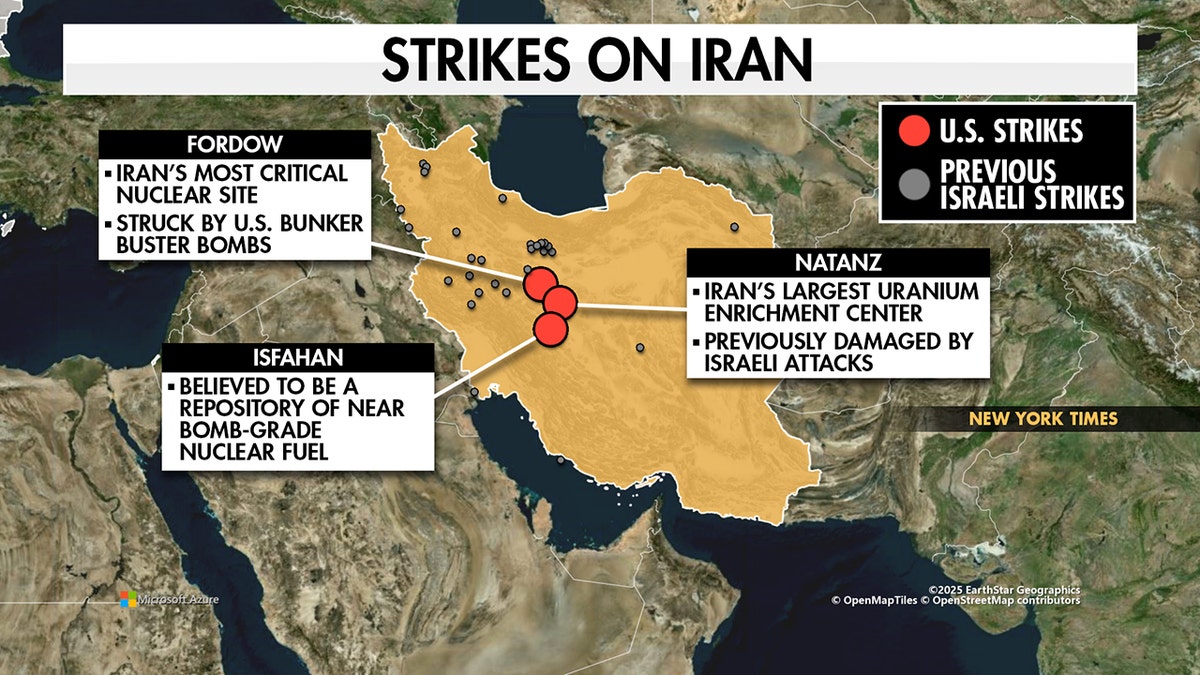
The Iran conflict has taken a toll. We can either bounce back and get stronger or continue watching our capabilities degrade.
Over the past several months, the Navy has endured significant strain. Ships have stayed at sea longer than planned. Sailors have missed more time with their families. Aircraft have flown harder. Weapons have been fired in numbers unseen in decades. Maintenance has been pushed to the right because missions came first.
We cannot keep shrinking the fleet while expanding missions and pretend the math will somehow work. Now, the bills are starting to come due. Ships returning from service need repairs. Aircraft require maintenance. Magazines need refilling. Sailors need time at home. Families that have carried an enormous burden deserve normalcy back. All of this is understandable—but what happens next will reveal much about the future of the U.S. Navy.
Some may choose to spend years discussing how hard the Iran conflict was, how weary the force has become, and how costly everything has grown. They might lower expectations, reduce deployments, accept fewer ships at sea, and convince themselves this is simply the new reality. That approach may sound overly simple—but it isn’t. This choice faces this generation of Navy leaders, Pentagon officials, members of Congress, and the defense industrial base. Iran did not create the Navy’s problems—it exposed them.
The extended deployment of the USS Abraham Lincoln has become the most visible example of strain on the force. Sailors and families have expressed frustration over deployment length, uncertainty, limited port calls, and conditions aboard the ship. When we ask young Americans to spend months away from spouses and children, they have earned the right to tell us when things aren’t working. Navy leaders must prioritize quality of life, communications, food, sleep, medical care, and information sent home to families.
Yet we must be careful not to draw a simplistic conclusion from this frustration. The lesson cannot be that deployments should never run long again. Wars don’t operate by deployment schedules. America’s national security commitments do not vanish when a carrier strike group has been absent for eight or nine months. Sometimes, the mission requires more.
The real lesson is that America needs enough Navy so that asking more of sailors during crisis does not become the only option available. This means more ships, more aircraft, more weapons, greater logistics capacity, and more personnel. It also means accepting that military service—by design—is hard. We must care for sailors and families, fix unnecessary problems, hold leaders accountable for poor decisions, but also maintain a Navy that expects its people to be tough enough to fight and win.
The bigger challenge lies in what happens when ships finally return home. Engines accumulate hours. Aircraft fly more sorties. Radars and combat systems operate continuously. Parts wear out. Repairs delayed during deployment now face the backlog. The Navy already struggled with maintenance before this conflict—public shipyards are overloaded, private repair yards are stretched, submarine maintenance has been problematic for years, and surface ships routinely exceed planned maintenance windows. Now adding combat-ready ships to the return queue will accelerate the problem. We should not be surprised by a growing backlog—the question is whether we act on it.
This demands real investment in ship repair capacity, expanding public and private yards, training more skilled workers like welders and electricians, implementing predictive maintenance, and securing spare parts. None of this is glamorous—there are no ribbon cuttings for having the right pump ready—but wars are often won by the side that keeps equipment operational.
Iran also reminded us how quickly modern warfare consumes weapons. Missiles developed over years can vanish from a ship’s magazine in minutes. This should not scare us because the Navy performed extremely well—it should frighten us because Iran is not China. Imagine the weapons demands of sustained combat across thousands of miles of the Pacific against an adversary with advanced naval capabilities, aircraft, submarines, ballistic missiles, cruise missiles, and immense industrial capacity. The math becomes uncomfortable quickly.
Every weapon fired during this conflict must be treated as a data point. If the answer measures in years, we have a problem. This is where the Pentagon and Congress must stop treating munitions like boutique acquisition programs. They need production lines capable of surging, long-term contracts to give manufacturers confidence, and second sources for critical components. You cannot surge missile production after shooting starts.
History offers a warning: The British Royal Navy did not suddenly lose its dominance overnight. Britain still had excellent ships, talented sailors, and proud traditions—but it gradually lost mass while commitments remained large. The U.S. Navy now faces similar pressures: It must deter China, operate in Europe, protect shipping in the Middle East, defend the homeland, reassure allies, and respond to crises worldwide. We cannot shrink the fleet while expanding missions and expect the math to work.
After this conflict, there will be a temptation to focus almost entirely on recovery. The Navy absolutely needs to recover—but recovery must not become retreat. This period must drive brutal institutional learning: What broke? What ran out? What took too long to fix? Which supply chains failed? Capture these lessons quickly—don’t spend five years studying them.
Fixing ships, refilling magazines, expanding repair capacity, and caring for families are critical. Demand better leadership. Expect toughness from the force. The U.S. Navy remains the world’s most capable navy—but the question is whether we intend to keep it that way. Iran should not be remembered as the fight that wore down the U.S. Navy. It should be remembered as the fight that woke it up.