A whistleblower, a Senate subpoena, and disputed CIA records propelled House investigators into an unexpected face-to-face confrontation with the agency.
On May 13, 2026, CIA senior operations officer James Erdman III appeared under subpoena before the Senate Homeland Security and Governmental Affairs Committee. He was testifying despite his agency’s objections.
Erdman had recently led an investigation for Director of National Intelligence Tulsi Gabbard’s “Director’s Initiatives Group” into COVID-19 origins, anomalous health incidents, and UFOs. What he told the senators was explosive.
“We just want to clear the air,” Erdman testified. “We did not take back documents.”
“Dr. Fauci’s role in the cover-up was intentional,” Erdman said. He claimed Fauci had steered the intelligence community’s COVID-origins analysis by supplying a conflicted list of curated subject matter experts, several of whom co-wrote the paper dismissing the lab-leak theory.
Inside the CIA, Erdman stated that six of the seven technical experts involved in a COVID relook favored a lab-leak conclusion. Management changed the assessment anyway, which he described as a “middle-of-the-night anonymous rewrite.”
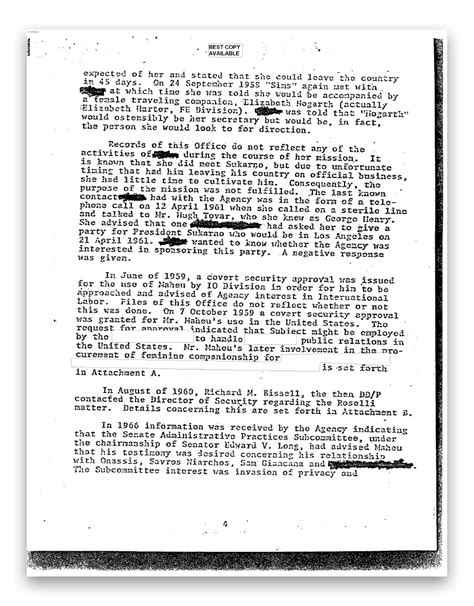
The allegation that set House members on fire came next: “The CIA illegally monitored the computer and phone usage of DIG personnel, their investigations, and contact with whistleblowers,” Erdman said. “When the DIG ceased operations, the CIA took back 40 boxes of JFK and MK-Ultra files being processed for declassification by DNI Gabbard.”
Senator Ron Johnson (R-Wis.) read aloud a statement the CIA had released calling the hearing “dishonest political theater.” Turning to Erdman, Johnson said: “I have years and years and years of built-up frustration of agencies like the CIA, Department of Justice, the FBI, HHS, snubbing our oversight, giving us the big middle finger.”
Rep. Anna Paulina Luna (R-Fla.), chairwoman of the House declassification task force, called the episode “an internal coup.” She and Rep. Eric Burlison (R-Mo.) demanded that the files be returned on social media. Within a day, the CIA invited them to headquarters.
On May 14, Burlison and Luna stood before the Memorial Wall at CIA headquarters in Langley, Virginia, its 141 stars carved into white marble for officers who died in the line of duty.
They surrendered their phones; no aides were allowed, no notepads, no recording devices. If anyone later disputed what was said, there would be no way to prove it.
Guided up an elevator to the top floor and through narrow, winding hallways, Burlison noted the environment felt sterile—like a “Dilbert” cartoon.
The meeting was meant to be with CIA Director John Ratcliffe. Instead, they were met by the agency’s archivist, a woman in her late 50s who oversaw two football fields’ worth of paper files.
Ratcliffe, they were told, was “out of pocket.” They later learned he was in Cuba.
“We just want to clear the air,” the archivist began. “We did not take back documents.”
According to the CIA, when President Trump ordered the JFK records released, Gabbard’s team showed up unannounced and demanded them. The agency objected to the files leaving in the team’s personal cars and insisted on moving them in its own secure vans.
The CIA reported handing over about 300 boxes of files while 42 were being processed at another location. When ready, the agency said it notified the DNI’s office.
Burlison saw the irony: The CIA was telling the office that oversees it it could not be trusted with the files.
“You do recognize there’s a point of friction between the CIA and the ODNI,” he told them, “and there’s a reason ODNI came in without informing you they were coming? There’s clearly a level of mistrust between the two organizations.”
The agency acknowledged the friction and agreed that its public attacks were unacceptable.
“The way they conducted themselves in the meeting was almost like they were a kid caught doing something wrong,” Burlison said afterward. “They were profusely apologetic, desperately trying to figure out how to de-escalate.”
Burlison left without answers about what was in those 42 boxes or whether the CIA had pulled them before Gabbard’s team could review them. The agency also stated there were 11 more boxes the DNI would never see due to tradecraft secrets.
Two and a half months later, Luna reported that the CIA had located the files and placed them in line for declassification.
But it took a whistleblower defying his own agency, a Senate subpoena, and two members of Congress walking into Langley to get there.