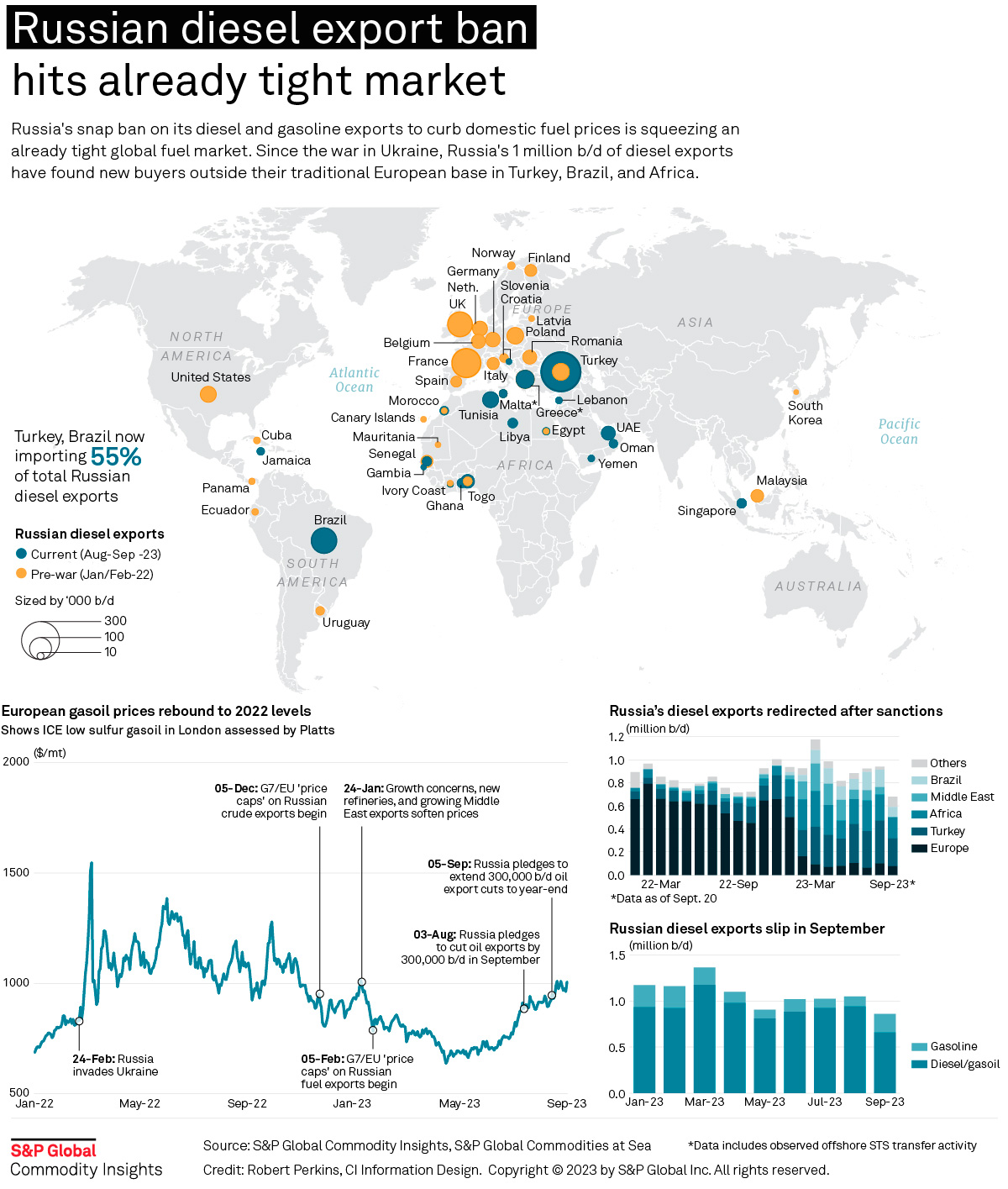
As diesel prices reach all-time highs and panic grips consumers and farmers, several Republican senators from Midwest farm states—vying for competitive midterm races—are urging the administration to ban diesel exports. Even President Trump has endorsed the proposal.
However, this knee-jerk reaction would backfire catastrophically. The U.S. fuel network is not designed for nationwide distribution. Nearly 55% of refining occurs along the Gulf Coast, producing excess diesel that must be exported due to limited infrastructure and storage capacity. The East and West Coasts rely on imports to meet their diesel needs.
Refineries cannot adjust production quickly; each barrel of crude oil yields fixed proportions of gasoline and distillates like diesel. Cutting exports would require reducing crude oil production—a move that would be economically devastating. A 2022 study by the American Council for Capital Formation predicted such a ban would shut down 1.3 million barrels per day of refining capacity, raising gas prices by $0.15 and diesel prices by $0.45 for two-thirds of U.S. consumers while causing a drop in GDP of $44 billion the following year. McKinsey & Company similarly warned that import-dependent regions like the coasts would face diesel price spikes of at least $0.60 per gallon due to global market inflation.
Until geopolitical conflicts are resolved, there is no quick fix for energy costs. Banning exports would destabilize markets and harm regions already strained by high prices. Instead, lawmakers should focus on long-term solutions that expand supply, modernize infrastructure, and strengthen the U.S. energy system. The path to lower prices runs through growth—not restriction.