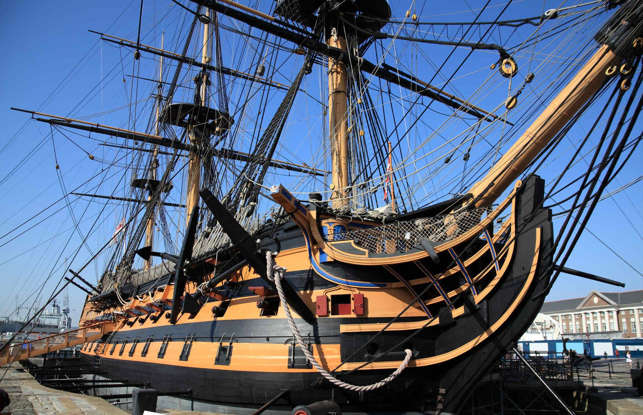
GK Chesterton’s “Lepanto” turns a 455-year-old naval battle into something immediate: drums, cannon fire, faith, fear, and the sudden possibility of courage.
History can tell you what happened at Lepanto. GK Chesterton makes it resonate.
On October 7, 1571, a fleet of the Holy League met the Ottoman navy off western Greece in one of the largest galley battles ever fought. The Christian victory halted Ottoman naval momentum in the Mediterranean and became one of the defining military events of early modern Christendom.
We are not observers of a glorious Christian past.
Four hundred fifty-five years later, the battle itself is rarely discussed outside history books and Catholic circles. GK Chesterton’s “Lepanto” helps explain why that is a loss.
The poem does something a chronology cannot: it takes an old battle and makes it present.
That distinction matters because we have largely forgotten how to teach history as inheritance. Too often, the past arrives as a clinical sequence of dates and events — or worse, as a catalog of embarrassments for which the living are expected to apologize. Our ancestors understood that memory had to be cultivated.