States are increasingly requiring new homes to include electrical systems for electric vehicles and heat pumps, despite low consumer demand. This trend is raising housing costs without providing long-term savings that justify the expense.
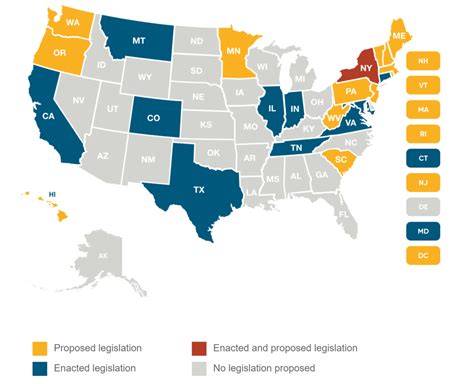
Colorado’s Energy Code Board recently published a Model Low Energy and Carbon Code that tightens requirements further. The law mandates that every new home must be wired for a 208/240-volt electric vehicle charger and sized to accommodate future heat pumps, electric water heaters, and induction stoves — even if the buyer never uses them.
New York passed its All-Electric Buildings Act in 2023, which bans fossil fuel hookups in most new residential construction. The state delayed enforcement after legal challenges over housing affordability.
California’s median home value exceeds $775,000, more than twice the national average. The state’s upcoming Energy Code will require even more electrification standards.
The added costs are substantial: New York estimates an extra $12,000 to $23,000 per unit for full electrification. Builders do not absorb these costs; they are passed on to buyers through mortgages.
These mandates spread expenses across all new housing projects, erasing trade-offs that consumers might make. For example, first-time buyers may prefer lower prices and smaller electrical panels, while rural homeowners often rely on propane or natural gas for cost efficiency.
Experts note that data centers are a common scapegoat for rising electricity bills, but building codes are a more insidious source of housing unaffordability because they affect every new home built over years.
Paul Mueller, Ph.D., is a senior research fellow at the American Institute for Economic Research.