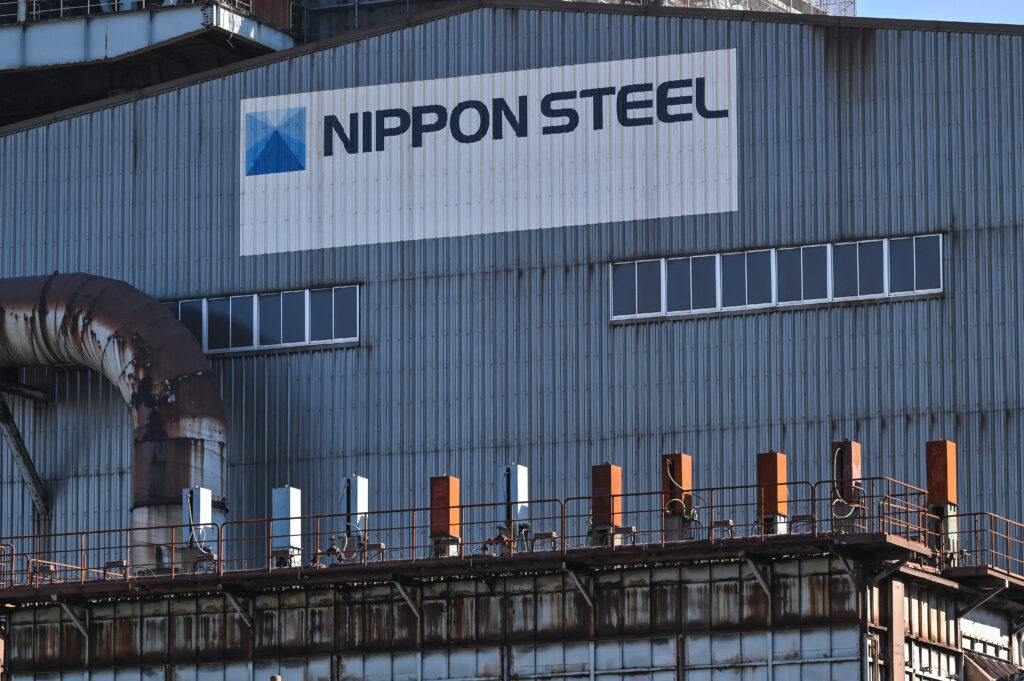
The Nippon-U.S. Steel merger promised substantial benefits to American steelworkers, including $2.7 billion in capital investments exclusively for United Steelworkers facilities, a decade-long commitment to maintain production levels at existing plants, and a $5,000 signing bonus for union workers and eligible non-union employees below the senior-manager level.
Roxanne Brown, head of the United Steelworkers, must recognize the reality faced by her members and consider the recent history of the steel industry. If she recalls what happened when steel mills closed and factory towns became ghost towns, she should distinguish herself from her predecessor, David McCall, whose intransigence during his tenure was neither shrewd nor productive.
Brown has reportedly rejected U.S. Steel’s initial contract offer, setting the stage for negotiations beginning in July. If talks deteriorate this summer, workers risk lost wages, disrupted health benefits, and uncertainty over retirement security. Their families would face tighter household budgets, delayed bills, strained childcare and healthcare decisions, and the emotional toll of prolonged economic instability.
The impact of such a breakdown would extend far beyond production halts, threatening livelihoods, family stability, and the economic foundation of communities built around American steel. These communities rely on steady paychecks from steelworkers and other local businesses.
McCall’s reckless efforts to derail the Nippon-U.S. Steel merger led to a revolt among steelworkers, and his alliance with Cleveland-Cliffs’ CEO Lourenco Goncalves revealed he prioritized his own reputation and corporate alliances over union members. In 2023, U.S. mills produced approximately 89.7 million net tons of raw steel, supporting about 70,000 workers in iron and steel manufacturing. Despite clear rank-and-file support for the merger, McCall publicly stated in a February 2024 interview that he “wanted to kill this deal.”
McCall also exploited the Biden administration’s likely politically motivated opposition to the merger. A lawsuit alleged President Biden sought to undermine the deal to “curry favor with the USW leadership in Pennsylvania” for re-election purposes.
America’s steel industry can only thrive if United Steelworkers and its employers reach a pragmatic agreement that safeguards workers while allowing companies to operate. Brown must move past McCall’s destructive legacy by engaging in good faith negotiations this summer and avoiding actions that jeopardize her members’ well-being.
Steelworkers deserve leadership focused on jobs, wages, benefits, and retirement security — not reputation management or corporate alliances.


