The Gulf of America provides Florida and the United States with a vital buffer during geopolitical disruptions threatening global energy flows.
The conflict with Iran has highlighted the importance of domestic energy abundance. When critical shipping routes are blocked, countries with robust internal supplies and reliable infrastructure gain crucial flexibility.
Prior to the war, approximately one-fifth of the world’s petroleum liquids passed through the Strait of Hormuz. Its disruption triggered the largest recorded oil supply shock. However, the United States entered this crisis from a rare position: unprecedented domestic production and a well-established network of pipelines, refineries, ports, storage facilities, and export terminals.
The lesson is clear: true energy security demands abundant and diverse domestic resources, resilient supply chains, and infrastructure capable of absorbing shocks.
This year, U.S. crude oil output is projected to set another record by the Energy Information Administration. Natural gas production has also reached historic levels. While such domestic capacity cannot shield Americans from global oil shocks, it can significantly mitigate their severity.
The crisis also reveals the shortcomings of common responses. Widespread allegations of price gouging often ignore how energy markets function. Oil prices can surge instantly, and retail gasoline prices may follow as wholesalers and stations adjust to replacement fuels—even though physical barrels continue moving through existing infrastructure.
Another proposed solution—a ban on U.S. crude exports—would create unintended consequences. American producers typically export lighter crude oils, while many domestic refineries are designed for heavier grades. Such a restriction could leave some barrels stranded, reduce production incentives, and undermine the very supply response that helps stabilize global markets.
Florida exemplifies this principle most clearly. As one of the nation’s largest electricity consumers, its energy system relies on multiple sources. In 2025, over 70% of Florida’s in-state electricity generation came from natural gas, with nuclear supplying more than 10% and renewables contributing about 12%. Nearly all the natural gas Florida uses arrives via pipelines from the Gulf Coast. Given its size and growth trajectory, energy resilience is not merely theoretical but a practical necessity.
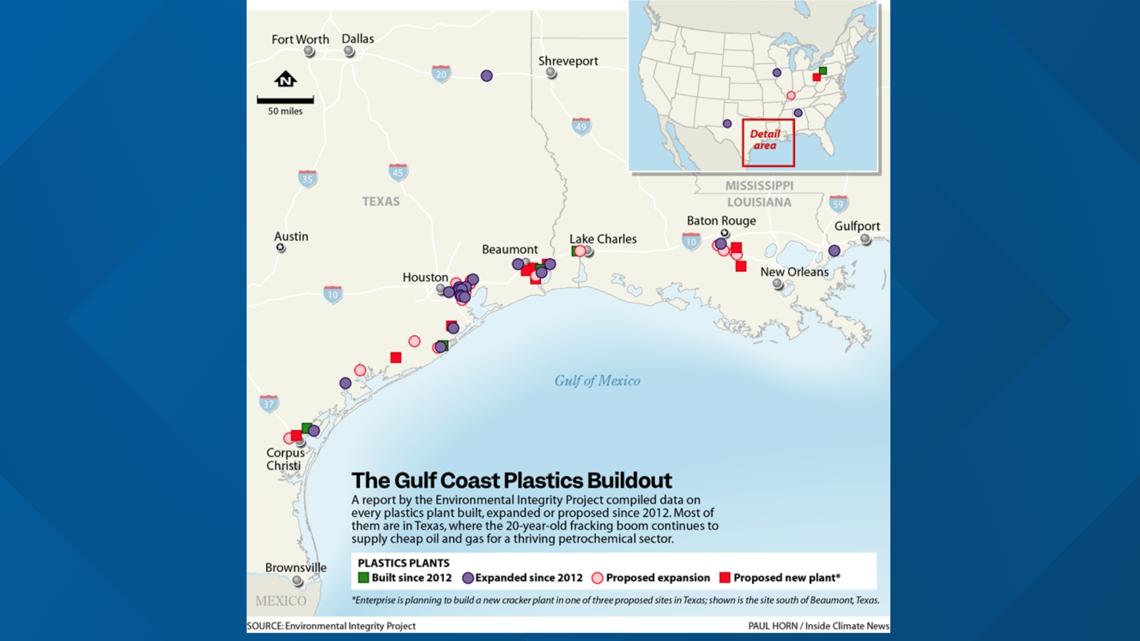
Florida also borders one of America’s most significant strategic energy assets: the Gulf of America. This body of water supports approximately 14% of U.S. crude oil production and houses extensive offshore infrastructure, deepwater ports, processing facilities, and an experienced workforce.
This does not mean that energy security is achieved solely through drilling. Responsible offshore development in the Gulf should be part of a broader strategy that includes expanding nuclear power, accelerating renewable energy adoption, strengthening transmission and pipeline capacity, and building storage and port infrastructure to respond when conventional routes are disrupted.
Every energy source carries environmental costs. Restricting domestic oil and gas production does not eliminate demand; it can shift production to countries with laxer standards and less oversight. The same issue is emerging with critical minerals used in solar panels, batteries, transmission systems, and advanced nuclear technology.
Therefore, environmental protection must be integrated into energy policy. Development should adhere to high standards, and a larger share of the economic value generated by domestic production should fund conservation and restoration efforts. Producing more of what America needs at home also provides greater flexibility when foreign supply chains are disrupted.
The lesson from the Iran conflict remains: Energy security requires abundant, diverse domestic supply, reliable supply chains, and infrastructure that can absorb shocks. The United States must continue developing oil and natural gas in the Gulf while expanding nuclear and renewable energy capacity and maintaining rigorous environmental protections.
Global instability should prompt investment, not retreat. America needs sufficient energy, infrastructure, and resources to meet its own needs and support allies without sacrificing the landscapes and wildlife that are integral to national interests.