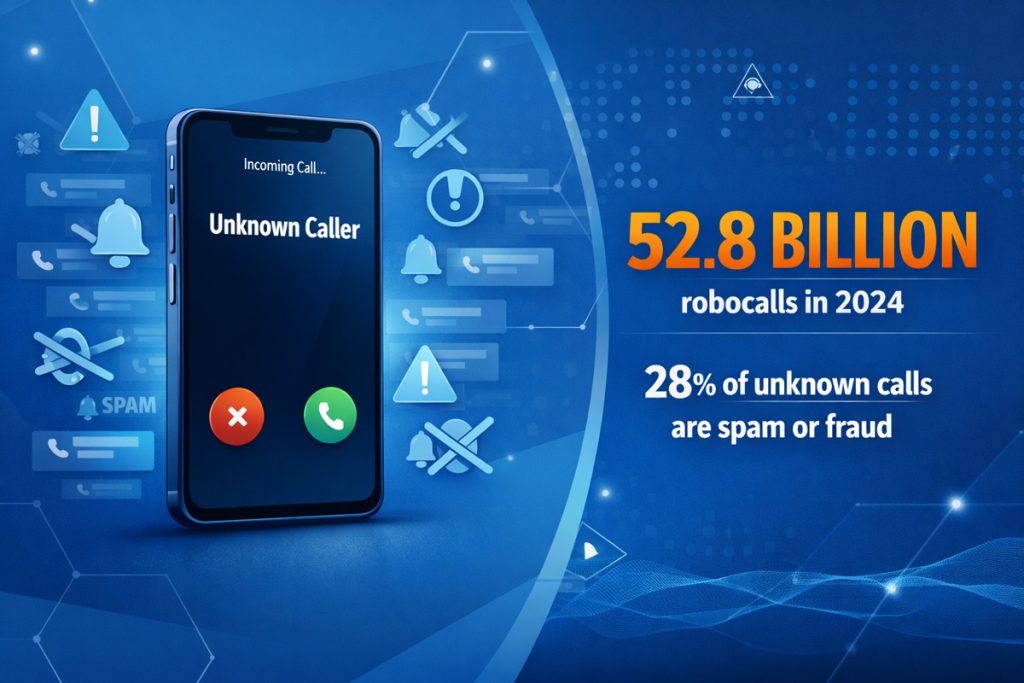
Americans are facing a staggering surge in robocalls, with over 50 billion made annually. These fraudulent communications, often originating at midnight from unknown numbers, have cost consumers an average of $450 per person each year—totaling more than $25 billion nationwide.
In response to the crisis, FCC Chairman Brendan Carr has directed the Federal Communications Commission (FCC) to issue step-by-step guides for blocking spam and filtering unwanted calls. The guidance details how consumers can turn on blocking tools and control who contacts their phones across major carriers including AT&T, T-Mobile, and Verizon.
Young adults aged 18-44 are disproportionately targeted: they are three times more likely to be scammed than older Americans, with 25% reporting multiple scams in a year. Older adults avoid scams by typically ignoring unknown calls or texts if the sender is unrecognized—57% have signed up for “Do No Call” registries versus 30% among younger adults.
The Public Interest Network’s 2024 report also shows gender disparities: males account for 79% of scam victims over a year compared to 68% of women, and women are more likely to ignore spam calls (65%) than men (54%), despite receiving about 5% more spam calls per month.
Robocall activity reached 52 billion in the U.S. in 2025 and is projected to rise to 58 billion by 2028. Regionally, Louisiana has seen a 792% increase since 2020, while Utah recorded a 34% decline.
The FCC warns of common scams including collect call fraud, cell phone theft, and “The One Ring” scheme.


