Prediction markets such as Kalshi and Polymarket are rapidly infiltrating college campuses, outpacing regulatory efforts. For this year’s March Madness, the activity extends far beyond the basketball court: millions of teenagers too young to enter a Las Vegas casino are placing bets on prediction market platforms.
These platforms operate as legally dubious gambling ventures that masquerade as investment opportunities while engaging in unregulated sports betting. People as young as 18 can wager nationwide, even in the 11 states where online sports gambling remains illegal.
Prediction markets exploit college students by luring them into sports “event contracts” through deceptive marketing tactics, including fraternity parties and social media influencers. These contracts are essentially sports gambling disguised as predictions for game or tournament outcomes.
Since the Supreme Court legalized online sports wagering in 2018, prediction markets have proliferated nationwide. However, they claim regulation by the federal Commodity Futures Trading Commission rather than state gambling agencies—a loophole that allows unregulated betting without age restrictions and minimal consumer protections.
Recent reports indicate that Kalshi and Polymarket target college students with marketing strategies designed for users lacking financial discretion. Both platforms have been paying student influencers on TikTok and Instagram to promote their services, while Polymarket has offered funding for fraternity parties in exchange for user sign-ups.
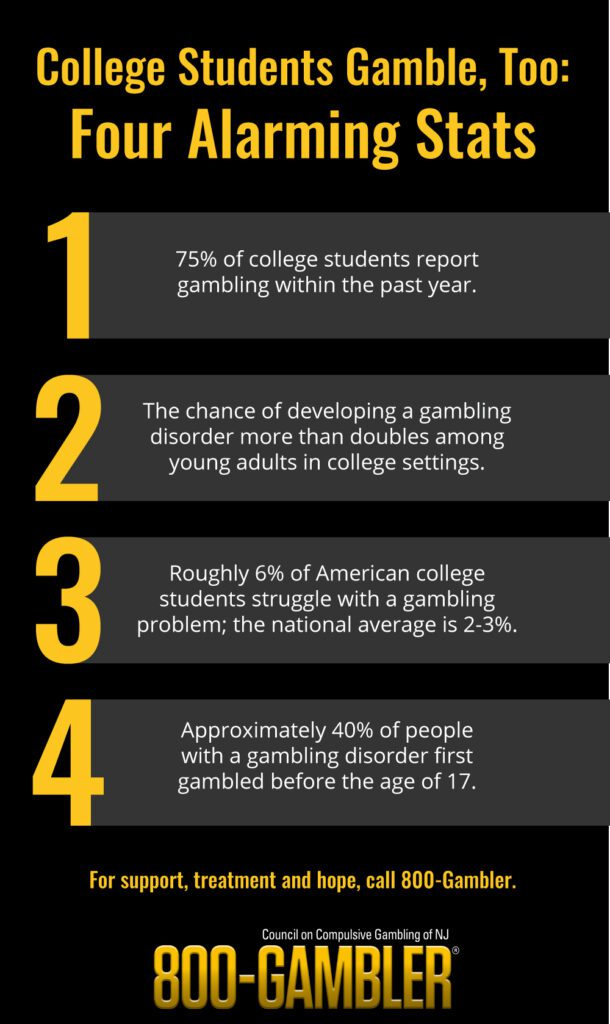
A Common Sense Media survey of over 1,000 U.S. adolescent boys ages 11 to 17 found that nearly half gambled within the past year.
Prediction markets are experiencing explosive growth: sports betting accounts for over 85% of volume on Kalshi and Polymarket, according to a 2025 report from Keyrock and Dune Analytics. Since early 2024, monthly trading volume has surged from under $100 million to more than $13 billion.
Despite their claims of being legitimate investment vehicles, prediction markets operate as unregulated gambling platforms that avoid state gambling taxes—taxes that fund critical education and infrastructure programs. An estimated $657 million in state gaming tax revenue has been lost since these platforms entered the sports betting arena.
The NCAA has urged the Commodity Futures Trading Commission to suspend college sports offerings on prediction markets until stronger regulations are implemented.
We urge the public to contact elected officials and state leaders demanding that prediction markets be regulated as sports gambling until they comply with state laws.
Emily Stack is executive director of Moms for America Action.