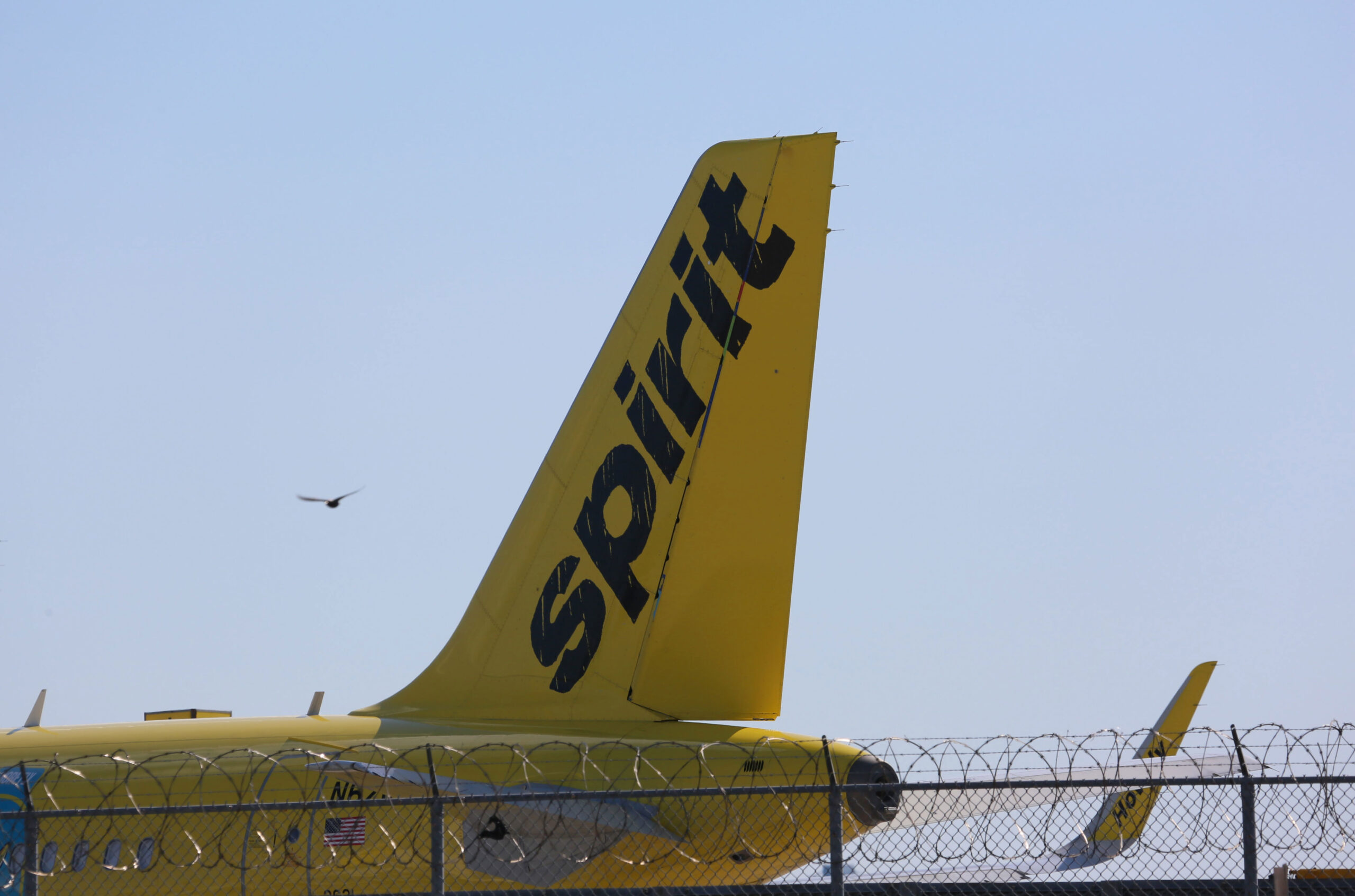
Federal courts halted JetBlue’s attempt to rescue Spirit Airlines three years ago, and Democratic leaders celebrated the decision. Today, that budget carrier has ceased operations entirely, and many of the same officials now seek judicial review of President Trump’s antitrust settlements.
The International Air Transport Association reported this week that airlines face a challenging outlook due to Middle East conflicts and rising fuel costs. Willie Walsh, head of IATA, noted Spirit Airlines’ recent closure as an example of the growing difficulties for carriers.
Spirit, America’s most iconic budget airline, shut its doors earlier this year after struggling without JetBlue’s financial support following a federal court order blocking a merger between the two companies in early 2024. The Justice Department had joined six states and the District of Columbia to file an antitrust lawsuit against the proposed deal.
Former Attorney General Merrick Garland described the ruling as “a victory for tens of millions of travelers who would have faced higher fares and fewer choices had the proposed merger between JetBlue and Spirit been allowed to move forward.” Senator Elizabeth Warren (D-Mass.) also praised the decision on social media, calling it a “Biden win for flyers.”
Transportation Secretary Pete Buttigieg openly credited the Justice Department’s actions in preventing the merger as protecting “low fares” and “competition.”
The reality now is stark: Spirit’s closure—the first major U.S. airline to go under in 25 years—was directly caused by policies the Biden administration once touted as beneficial. Travelers lost a low-cost option, over 11,000 employees faced job losses, and the travel industry faces rising prices.
As the airline industry recovers from this downturn, Democrats now want courts to use the Tunney Act to challenge other Trump-era antitrust decisions. The Tunney Act allows limited judicial review of settlements negotiated by the Justice Department. Democratic officials now seek to expand that role, including challenging a merger backed by the intelligence community for national security purposes.
Historically, courts have deferred to executive branch antitrust enforcement. But Democrats now argue they should intervene in cases they disagree with.
Spirit Airlines serves as a painful lesson: The Biden administration, Elizabeth Warren, and other antitrust advocates celebrated blocking the merger that would have created a more competitive airline landscape. Today, that decision has resulted in fewer choices for travelers and higher costs.