The baby was born with a life-threatening heart condition, sparking another dramatic turn in the U.S. legal battle that has divided America.
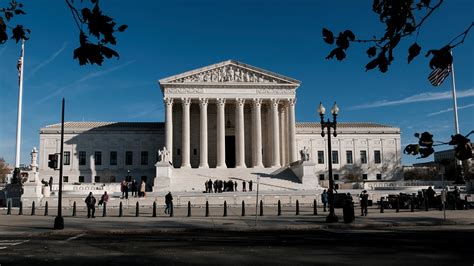
On Tuesday, Justice Elena Kagan denied an emergency appeal request from McKenna West, an Alaska woman who served as a surrogate mother and is trying to wrest custody of the child from his biological parents, Omar Ahmed and Nausheen Gilkar.
West fled to Texas after the couple requested an abortion due to the baby’s diagnosis of hypoplastic left heart syndrome, a rare and life-threatening condition found during a 20-week anatomy scan. She refused the request and gave birth in August, naming the child Gabriel, while the couple named him Rumi.
A California court had previously determined that Ahmed and Gilkar are the legal parents of the child before birth. A Texas court similarly ruled that the couple is responsible for the child’s health decisions, not the surrogate.
West sought to be declared the baby’s mother, arguing that recognizing the couple as legal guardians could jeopardize his health and safety by potentially interfering with his ongoing medical treatment.
In her filing with the Supreme Court, West claimed that the couple may interfere with the child’s critical care. Her attorneys stated that the couple has been providing around-the-clock care to the infant in a pediatric intensive care unit.
The couple’s legal representatives emphasized they are committed to delivering lifesaving treatment for Rumi and have been actively involved in his medical care. “Respondents have been with their child around the clock in a hospital’s pediatric intensive care unit,” the attorneys wrote, adding that the child has received critical medical care at the direction of his parents.
Adam Wolf, an attorney for Ahmed and Gilkar, released a statement following Justice Kagan’s rejection of West’s appeal. “We are truly grateful that Rumi can continue receiving the treatment he needs to survive and that he will not be stripped away from what has been described by doctors as the excellent care of his parents,” he said.
West’s legal efforts have been rejected by every court in three jurisdictions, including state courts of appeals and now the U.S. Supreme Court.